
With piercing eyes, poetic instincts, and a stage presence that felt almost otherworldly, Jim Morrison didn’t just perform — he commanded attention. Fans saw a rock icon. But behind the mystique was a life marked by chaos, inner turmoil, and a steady descent that would ultimately define his legacy.
Born on December 8, 1943, in Melbourne, Florida, Morrison grew up in a disciplined household. His father, a high-ranking naval officer, served in a leadership role during the Gulf of Tonkin incident — a detail that rarely makes it into discussions about the rock legend’s early life.

One of the most talked-about moments from Morrison’s childhood came from a road trip through New Mexico. He later described witnessing a devastating accident involving injured Native Americans, an event he claimed had a profound, almost spiritual impact on him. Morrison would revisit that memory throughout his career, weaving its imagery into his lyrics and interviews. However, family members later suggested the incident was far less dramatic than he portrayed.
Frequent relocations due to his father’s military career left Morrison feeling disconnected. By the time his family settled in California, signs of rebellion were already surfacing. Once considered intelligent and capable, he began pushing boundaries, even getting dismissed from youth programs for disruptive behavior.
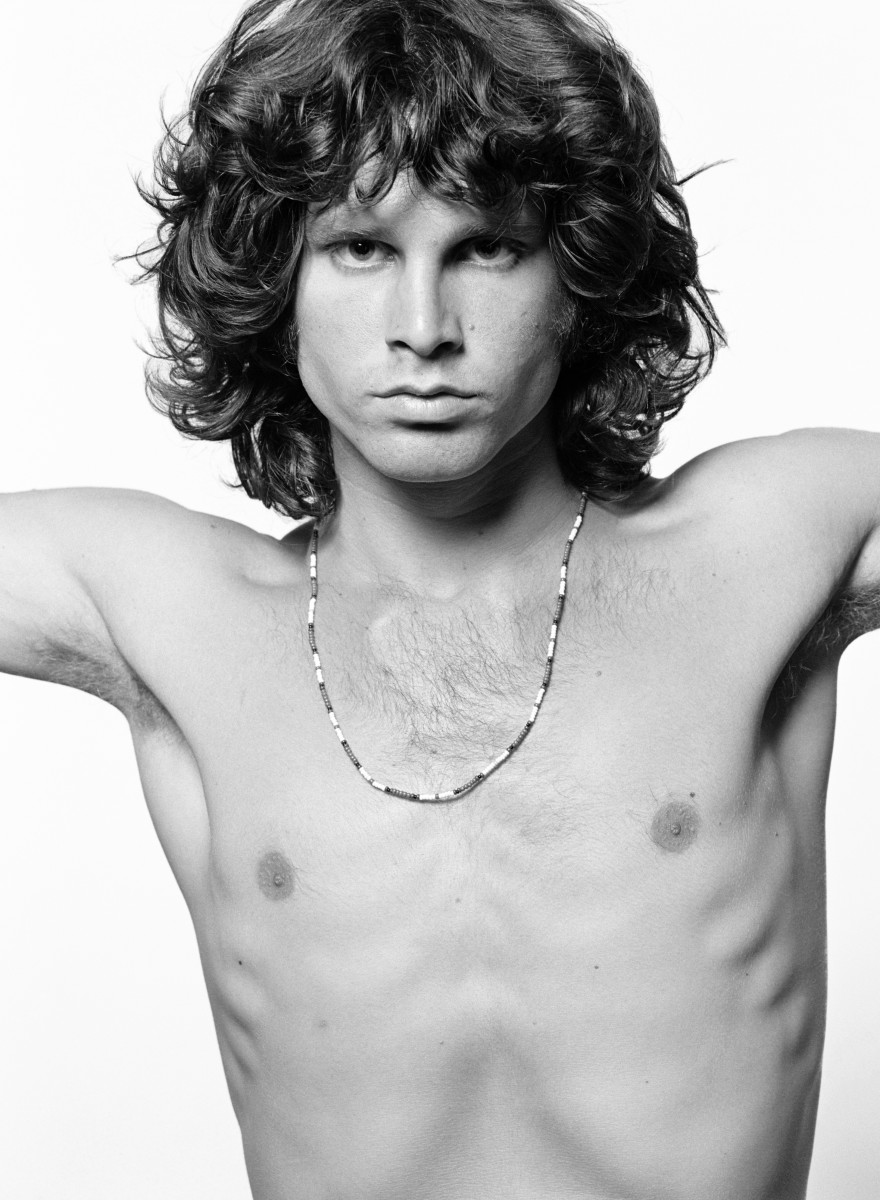
After enrolling at the University of California, Los Angeles, Morrison gravitated toward film and writing. But it wasn’t long before he traded a traditional path for a more unconventional lifestyle. Living in Venice Beach with minimal resources, he focused on writing lyrics — some of which would later become iconic songs.
It was during this period that Morrison teamed up with Ray Manzarek to form The Doors, a group whose name was inspired by The Doors of Perception. The band quickly rose to prominence, producing a string of influential albums in a short span of time.
On stage, Morrison was electrifying — unpredictable, intense, and deeply immersed in his performance. But off stage, things were unraveling. Alcohol became a constant presence in his life, ultimately spiraling into addiction. Recording sessions grew erratic, and live shows became increasingly unstable.
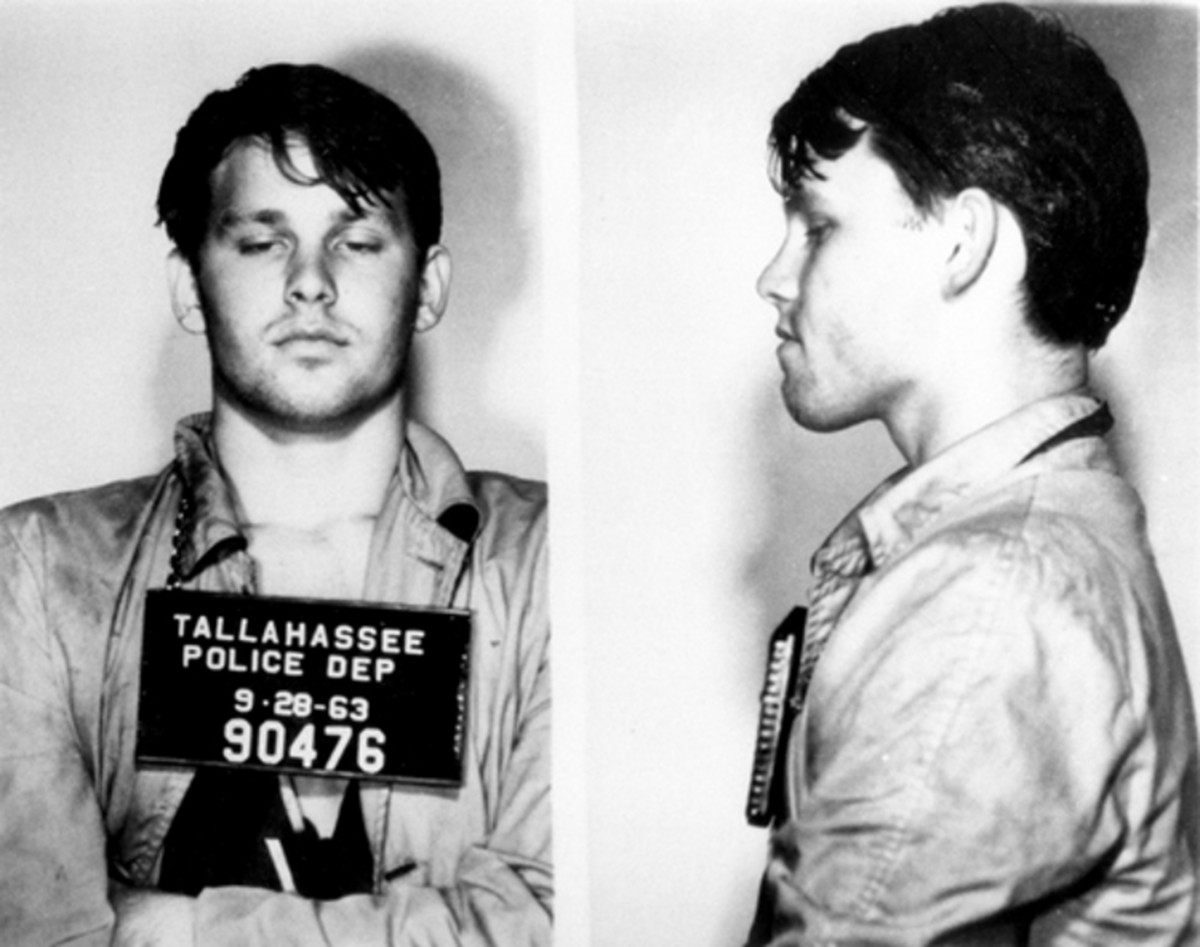
Legal issues soon followed. One of the most infamous incidents occurred during a concert in Florida, where Morrison faced serious charges tied to his onstage behavior. The fallout included a conviction that added to his growing notoriety as one of rock’s most controversial figures.
Relationships in his life mirrored the same volatility. Passionate but often destructive, they were marked by emotional highs and painful lows. Substance use only amplified the instability, leaving those around him concerned about his well-being.
By the early 1970s, the cracks were impossible to ignore. Performances suffered, lyrics were forgotten, and tensions within the band escalated. Eventually, touring came to a halt as his condition worsened.

In 1971, Morrison relocated to Paris in an apparent attempt to reset. But just months later, he was found dead in his apartment bathtub at the age of 27. The official cause was listed as heart failure, though questions surrounding his death have lingered ever since.
Despite his troubled life, Morrison’s influence remains undeniable. His work continues to resonate, cementing his place as one of rock music’s most enduring — and enigmatic — figures.